Israel Iran war 2026: Khamenei killed, Operation Epic Fury, Iran strikes Israel
Breaking: Joint US-Israeli strikes kill Iran's Supreme Leader Khamenei on Feb 28. Iran retaliates with missiles targeting Israel, Bahrain, Kuwait, Qatar and UAE. Full live coverage of the Israel-Iran war 2026.

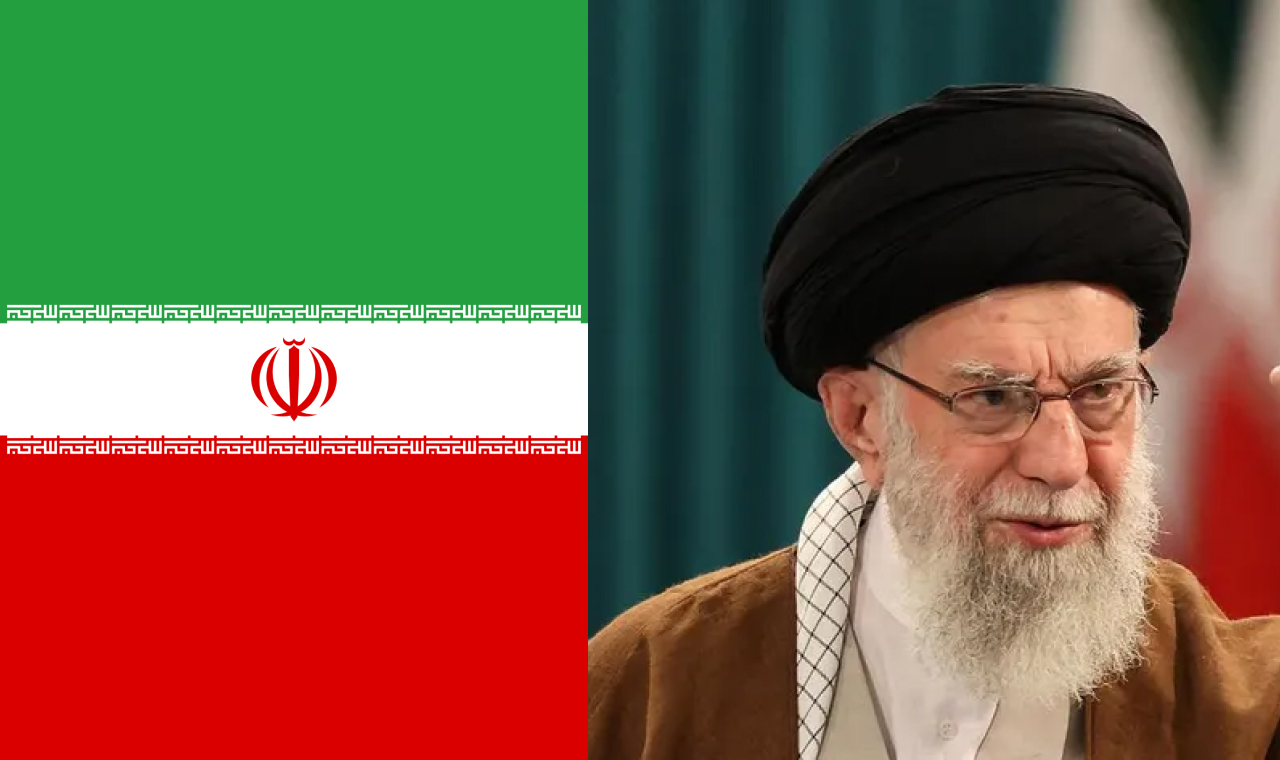
The Middle East is experiencing its most severe military confrontation in decades. On 28 February 2026, the United States and Israel launched coordinated strikes against Iran, codenamed Operation Epic Fury (US) and Operation Roaring Lion (Israel). Iranian Supreme Leader Ayatollah Ali Khamenei was reportedly killed in the initial strikes. On 1 March 2026, Iran launched retaliatory ballistic missile and drone strikes targeting Israel, US military bases in Bahrain, Kuwait, and Qatar, and infrastructure in the UAE — triggering air raid sirens across central Israel and explosions reported in Dubai, Doha, and Manama.
February 28, 2026 — Operation Epic Fury and Operation Roaring Lion
In the early hours of 28 February, approximately 200 Israeli fighter jets struck over 500 military targets across Iran. Sites hit include facilities in Tehran, Isfahan, Qom, Karaj, and Kermanshah. The United States simultaneously deployed cruise missiles, precision drones, and HIMARS long-range rocket artillery. Primary targets comprised Iran’s ballistic missile stockpiles, air defence radar networks, and command infrastructure.
Iranian state media confirmed the death of Supreme Leader Ayatollah Ali Khamenei, who served as the supreme political and religious authority of the Islamic Republic for 35 years. The Iranian government declared 40 days of national mourning and seven consecutive public holidays. Over 200 people were reported killed and 747 injured across 24 of Iran’s 31 provinces.
The scope of the strikes caused immediate disruption to Regional civilian aviation; dozens of flights through the Middle East were suspended or diverted within hours.
March 1, 2026 — Iran launches retaliatory strikes
Iran launched a coordinated wave of ballistic missiles and armed drones on the morning of 1 March 2026.
Confirmed targets:
- Fifth Fleet headquarters, Bahrain — the primary US naval command for the entire Middle East
- US air bases in Kuwait and Qatar, including Al Udeid — the largest US air base in the region
- UAE — explosions reported in Dubai and Abu Dhabi
- Israel — air raid sirens activated across central, northern, and southern Israel; Iron Dome interceptors deployed
Israel and the United States responded with a second wave of strikes targeting surviving Iranian missile launch sites and the remaining air defence network.
Iran’s Islamic Revolutionary Guard Corps (IRGC) pledged “the most ferocious offensive operation in history.” Parliament Speaker Mohammad Bagher Ghalibaf described the US and Israeli leaders as “filthy criminals” and vowed “devastating blows.”
US President Donald Trump stated: “If Iran retaliates, we will strike back with a force that has never been seen before in history.”
The nuclear dimension
Iran’s nuclear programme was central to the justification for these strikes. Israeli and US military planners have long cited enriched uranium stockpiles and advanced centrifuge facilities at Fordow, Natanz, and Isfahan as existential threats. Whether these sites were directly targeted in the February 28 strikes remains officially unconfirmed, with access for independent verification inside Iran almost impossible.
Russia formally requested an emergency session of the International Atomic Energy Agency (IAEA), citing concern over potential radioactive contamination from any strikes on nuclear infrastructure. The IAEA has not confirmed whether inspectors can access affected sites.
The Strait of Hormuz: Global chokepoint under threat
The Strait of Hormuz — through which 20–30% of the world’s crude oil flows daily — sits directly within the conflict zone and represents the single most consequential variable for the global economy.
Iran accounts for approximately 3.5% of global oil production (3.6 million barrels per day). Any Iranian blockade or mining of the Strait would create the most severe energy-supply shock since 1973. Analysts warn Brent crude could exceed $100 per barrel within days under such a scenario. OPEC+ is evaluating emergency production increases. Equity markets have entered sharp volatility with investors rotating into gold and safe-haven assets.
International reactions
| Country / Body | Response |
|---|---|
| US (President Trump) | Warned of unprecedented retaliation against further Iranian strikes |
| Russia | Requested emergency IAEA session; called for de-escalation |
| China | Called for immediate ceasefire; expressed concern over oil supplies |
| European Union | Called for emergency UN Security Council session |
| United Nations | Secretary-General urged all sides to pull back from the brink |
| IRGC, Iran | Pledged the “most ferocious offensive operation in history” |
Protests against the US strikes on Iran were reported in several American cities on March 1.
Regional impact: Gulf states in the crossfire
The retaliatory Iranian strikes directly targeted the military infrastructure that underpins the US presence in the Gulf. The Fifth Fleet in Bahrain coordinates all US naval operations in the Persian Gulf and Arabian Sea. Al Udeid Air Base in Qatar is the staging ground for over 100 US and coalition aircraft.
Airlines have suspended or rerouted flights. War-risk premiums for Gulf routes have surged. Maritime vessels are rerouting around the Gulf of Oman, raising global freight costs. India, with approximately nine million citizens working across the Gulf, faces acute remittance disruption and inflationary pressure from rising energy costs.
Key questions and what comes next
- Will Iran attempt to blockade the Strait of Hormuz? This remains the single most consequential decision. A blockade would escalate the conflict to a full global economic crisis.
- Who succeeds Khamenei? The reported death of Iran’s supreme leader creates a constitutional power vacuum. A hardline successor could escalate further; a moderate one might seek off-ramps. The Assembly of Experts must convene to appoint a successor.
- Does the US Congress authorise war? Whether Trump sought or requires Congressional approval for sustained military strikes against Iran remains an open domestic legal and political question.
- How do Qatar and Bahrain respond? Both host major US bases and have now been struck by Iran — placing their governments in an extraordinarily difficult diplomatic position.
- Will Russia and China provide direct support to Iran? Both have significant strategic incentives to check American power in the region.
Any diplomatic pathway to de-escalation currently appears distant. The situation is developing rapidly.
Tags
Related Stories

Google Performance Max is taking over. Advertisers are not happy about it
Performance Max puts Google's AI in charge of your entire ad budget across every Google channel at once. Here is what that actually means for brands — and how to stay in control.
Read More
TikTok got banned in the US. Here is where the ad money went
When TikTok went dark in January 2026, brands had to move fast. The winners were obvious. The costs were not.
Read More
Influencer marketing is growing fast. Nobody knows if it actually works
Brands are pouring billions into influencer deals. 57% of marketers still cannot measure the ROI. That is a very expensive guess.
Read More
Leave a comment